
What is Speech-Language Therapy?

Articulation/Phonology
Articulation and phonology refers to the way we pronounce and understand individual sounds. Children may have trouble producing sounds which impacts their intelligibility. A speech therapist can determine which errors are typical or atypical in the speech development process. Based on the child’s age and types of errors, speech therapy may be recommended. Articulation therapy will teach a child the correct way to produce sounds to improve overall intelligibility.

Fluency/Stuttering
Fluency refers to continuity, smoothness, rate, and effort in speech production. Stuttering, the most common fluency disorder, is an interruption in the flow of speaking characterized by specific types of disfluencies, including repetitions of sounds, syllables, and monosyllabic words, prolongations of consonants, blocks (i.e., inaudible or silent fixation or inability to initiate sounds). When developing treatment goals, Alpenglow Therapy Center therapists take a holistic approach and will consider the impact of the stutter on the child’s entire communication experience. Goals may focus on minimizing negative reactions to stuttering, reducing difficulty communicating in various speaking situations, and reducing the effort used to hide or avoid their disfluencies and communicate with more ease. In addition, Alpenglow speech therapists are trained and certified in the Lindcombe Program, an evidence based treatment to reduce stuttering in children 5 years old and under.
Expressive/Receptive Language
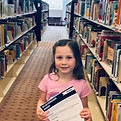
Language is often thought of as developing into two main categories. Receptive language is considered the comprehension of language (what we understand), and expressive language is considered what we communicate by speaking, signing or writing. Children can have difficulty with one or both areas of language. Receptive and Expressive Language Therapy can include therapy for listening and reading comprehension, vocabulary, grammar, general concepts (opposites, comparisons, time, etc.) sentence structure, planning/organizing, attention, figurative language, humor, among others.
Aural Re/habilitation
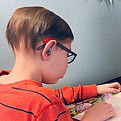
Children who are deaf or hard of hearing will often attend therapy for speech or language support. Alpenglow Therapy Center is committed to discussing all therapy strategies with each family to determine which best supports their family’s needs, goals and preferences. We are happy to offer sessions using American Sign Language with our aural re/habilitation clients.